Click here for a look at two story pages from the book: Hunter’s Best Friend at School and The Real Thief.
Excerpts From the Book
What we know about children and reading
Everyone likes stories, but not everyone loves to read. Many children who do not like reading have never found a book they liked and have never explored beyond the plotline, which is just the beginning of the reading experience. When kids start reading independently, parents need to become more, not less, involved.
Parents must play a key role in helping their older children select books that capture their imagination and interest. Parents reading with children is the best indicator that children will become the readers they deserve to be.
Everyone likes stories, but not everyone loves to read. Many children who do not like reading have never found a book they liked and have never explored beyond the plotline, which is just the beginning of the reading experience. When kids start reading independently, parents need to become more, not less, involved.
Parents must play a key role in helping their older children select books that capture their imagination and interest. Parents reading with children is the best indicator that children will become the readers they deserve to be.
How do children become “good” readers?
Children need to read books that are appropriate in terms of reading level and emotional readiness. All children, even reluctant readers, become “good” readers when we offer them books they can read with enough ease to get into the story. Children also need books that speak to their emotional maturity.
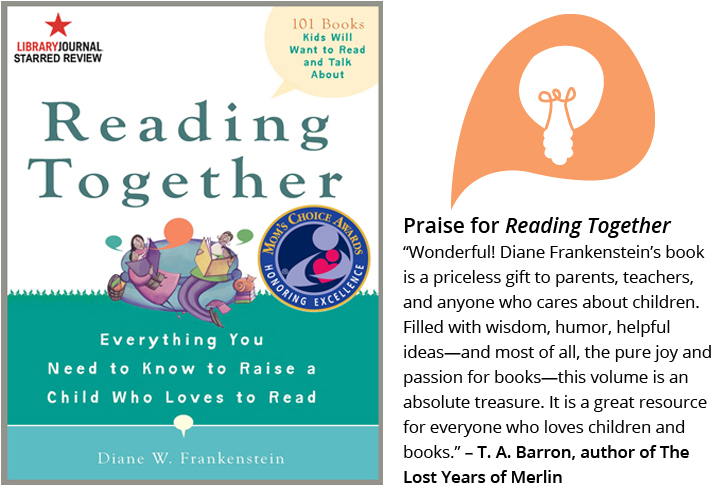
In Reading Together, you will discover ways to help children find what to read and then, through conversation, show them how to find meaning and pleasure in their reading. Let there be no doubt: children who get more from the books they read are children who love to read.
Buy the Book